Why Most Patent Priority Decisions Get Made by the Wrong People at the Wrong Time
 A. Kovacs
Someone files an invention disclosure. A tech transfer associate reviews it, maybe passes it to outside patent counsel, and a decision gets made: provisional or full application, PCT or not, which claims to pursue. That decision shapes every licensing conversation, every spinout negotiation, and every investor pitch that follows. And in most universities, it gets made by whoever happens to have bandwidth that week.
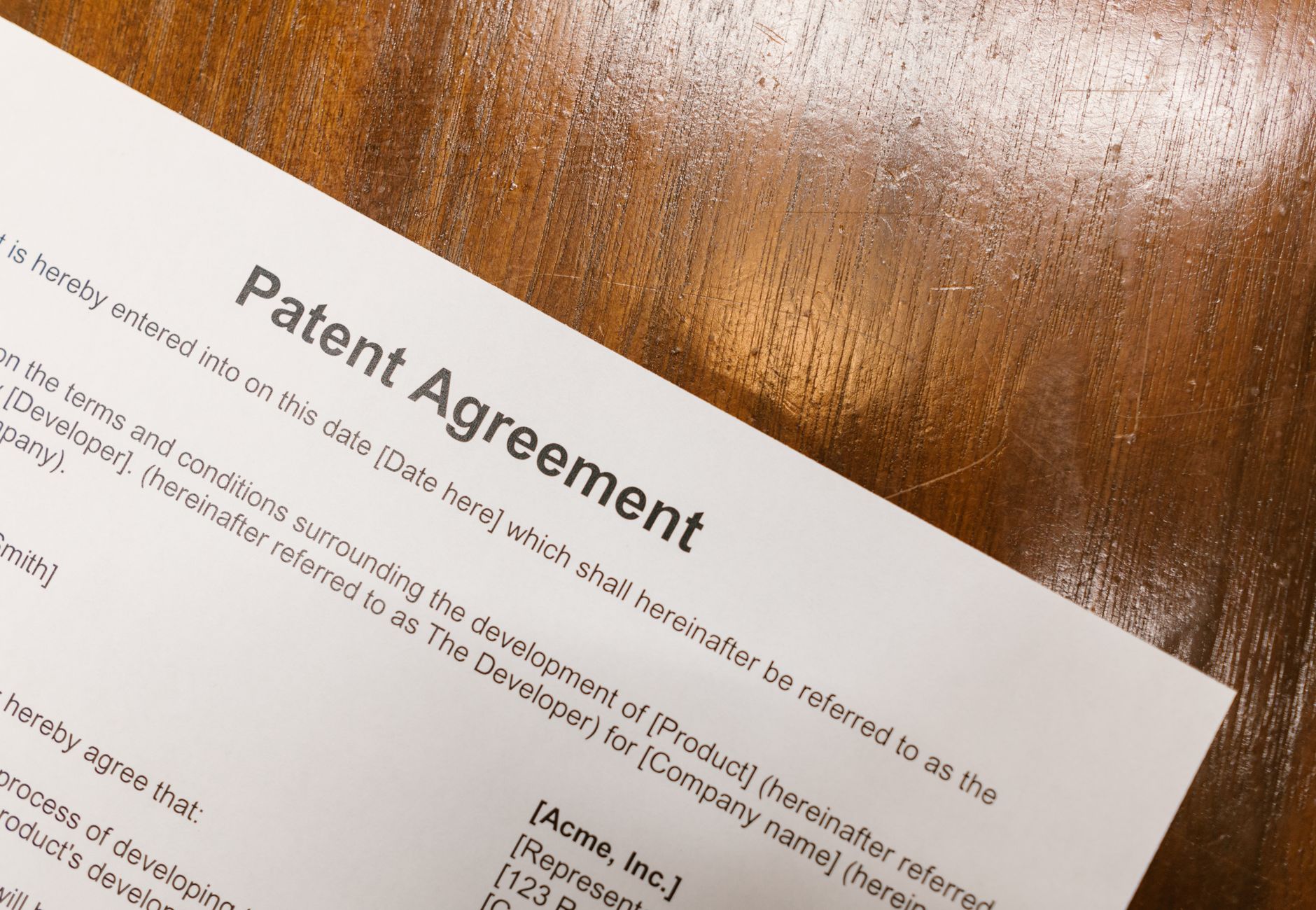 Photo by RDNE Stock project on Pexels.
This is a structural problem hiding behind a procedural one.
The surface complaint is usually about speed. Inventors think TTO staff moves too slowly; TTO staff think inventors are unrealistic about timelines. Both complaints miss the point. Speed matters far less than who is setting the direction of the filing strategy and whether they have any information about the downstream commercial context.
Patent attorneys are trained to protect the widest possible claim scope. That's their job, and they're good at it. But claim scope and commercial value don't always point in the same direction. A patent with broad method claims covering an entire research space can look impressive on a portfolio spreadsheet and be completely unenforceable against the specific industry players a university actually wants to license to. Narrow, well-targeted claims around a particular manufacturing process or a specific therapeutic formulation might be worth ten times more in a real licensing conversation.
Who makes that call? Usually not the person who has had conversations with potential licensees.
The timing problem compounds the personnel problem. Most serious patent strategy decisions happen inside the first twelve months of a priority filing. That's when claims get shaped, when PCT elections get made, when the scope of what you're actually protecting gets set. But twelve months in, most TTOs haven't validated market interest. They haven't talked to three companies in the target sector and discovered that everyone cares about a specific performance parameter the inventor never thought was interesting. They're making permanent decisions with temporary information.
Here's what a better process looks like:
graph TD
    A[Invention Disclosure Filed] --> B(Market Scan: 30-60 Days)
    B --> C{Commercial Interest Identified?}
    C -- Yes --> D[Industry Input on Claim Direction]
    C -- No --> E[Minimal Filing / Hold]
    D --> F(Filing Strategy Set with Commercialization Input)
    F --> G[PCT / National Phase Decisions Tied to Licensee Pipeline]
    E --> H((Revisit at 6 Months))
The key node is D. Getting even informal input from one or two people in the target industry before the claims are drafted changes the quality of every decision that follows. You learn what competitors are actually doing, which gives you a better read on where to draw the lines in your own claims. You learn which applications the potential licensee cares about, which tells you whether a broad platform patent or a narrow product patent serves you better.
None of this requires a formal market study. It requires someone on the TTO team who has enough industry relationships to make three phone calls in the first sixty days after an invention disclosure arrives.
The equity problem is real too. When patent priority decisions get made without commercial context, universities end up spending prosecution budget on patents nobody will ever license. A typical university patent costs $30,000 to $50,000 to prosecute through to grant in a single jurisdiction. Extend that internationally and you're at $150,000 or more for a patent that sits in a portfolio and generates nothing. That money came from somewhere, and it didn't go toward proof-of-concept funding or entrepreneur-in-residence programs that might have moved something to market.
Reallocation doesn't require a policy overhaul. It requires a different decision gate before the provisional gets filed. Ask: who would license this, what would they need the patent to cover, and have we talked to any of them? If the answers are vague, file something minimal, buy time, and go get information before spending the real money.
The universities doing this well share one trait. Their licensing officers are involved in patent strategy conversations before the attorney engagement letter goes out. Not after. The people who understand what licensees actually negotiate over are in the room when the direction gets set, not brought in to clean up a claim set that doesn't fit the market.
Patent prosecution is expensive, slow, and largely irreversible. Treating it as an administrative function rather than a commercialization decision is where most of the value gets lost.
Get Commercializing Science in your inbox
New posts delivered directly. No spam.
No spam. Unsubscribe anytime.